Exports Continued to Expand, but Imports Grew at a Faster Pace, Keeping Thailand’s Trade Deficit High Despite an Improvement in July 2026; Additional US Tariff Risks Warrant Close Monitoring
SCB EIC revised up its 2026 Thai export and import growth forecasts to 16% and 28%, respectively.
Overall, Thai exports in July 2026 continued to expand strongly.
Export value in July stood at USD 34,789.13 million, expanding strongly by 21.6%, up from 20.8% in the previous month and broadly in line with expectations (SCB EIC estimated 22.5%, while the Reuters Poll median was 17.8%). Seasonally adjusted export value expanded by 1.8%MOM_SA. Overall, Thai export value during the first 7 months of 2026 expanded strongly by 18.2% (Figures 1 and 2).
Exports this month continued to be supported by electronic products and the US market.
1. Exports of electronic products expanded strongly by 67.8%, accelerating from 66% in the previous month. This product group continued to be supported by the electronics upcycle, as well as the global expansion of investment in the electronics industry and data centers. This was reflected in exports of this product group to 14 out of Thailand’s 15 key trading partners continuing to expand well. Electronic products contributed 14.5% to Thai export growth this month, accounting for more than two-thirds of the total export growth of 21.6%.
2. Exports to the US expanded strongly by 45.3%, continuing from 44.3% in the previous month. In particular, exports of electronic products, which have not yet been subject to additional US import tariffs, surged by 81.7%. Meanwhile, other product groups also expanded strongly by 18.3%, reflecting demand for Thai products in the US market. Part of this growth may have reflected accelerated shipments of Thai products to the US amid uncertainty over additional import tariffs under Section 301. Exports to the US contributed 10% to Thai export growth this month.
Import value growth moderated somewhat this month but remained very strong.
Import value in July stood at USD 38,399.64 million, expanding by 36.7%, slowing from 50.3% in the previous month and below expectations (SCB EIC estimated 45.8%, while the Reuters Poll median was 42.2%). Overall, Thai import value during the first 7 months of 2026 expanded strongly by 37.8% (Figures 3 and 4).
Strong growth in imports of raw materials and intermediate goods and capital goods was consistent with accelerating export and investment data, while fuel imports accelerated this month.
(1) Raw materials and intermediate goods expanded strongly by 41.1%, slowing from 71.2% but remaining at a very high level. Imports in this category contributed 18.1% to import growth this month, accounting for nearly half of the total import growth of 36.7%. Imports from China and Taiwan accounted for 47.6% of Thailand’s total imports of raw materials and intermediate goods this month. Key products included electrical appliance and electronic equipment components, which expanded by 138.4% (CTG: 15.6%), particularly printed circuit boards, which surged by 161.9% (CTG: 14.1%). The continued strong growth in imports of electrical appliance and electronic equipment components was consistent with the sustained robust expansion in electronic product exports.
(2) Capital goods expanded by 39%, slowing somewhat from 42.7% in the previous month. Imports in this category contributed 11.4% to import growth this month, with imports from China accounting for 55.1% of Thailand’s total capital goods import value. Key products included electrical machinery and parts, and computers, equipment and parts. This was consistent with the strong expansion in private investment in recent periods, particularly investment related to electronics and digital industries, such as data centers, while Thailand’s domestic production capacity for these types of capital goods remains limited.
(3) Fuel products expanded by 54.4%, accelerating from 39.5% in the previous month. Imports in this category contributed 5.5% to Thai import growth this month.
The trade balance (customs basis) continued to record a deficit of USD -3,610.5 million in July, the smallest deficit in 4 months and better than expected (SCB EIC estimated USD -5,700 million, while the Reuters Poll median was USD -5,380 million). Overall, Thailand’s cumulative trade deficit during the first 7 months of this year stood at USD -35,354.5 million.
SCB EIC revised up its 2026 Thai export and import growth forecasts to 16% and 28%, respectively, while the trade deficit is expected to widen further this year.
SCB EIC revised up its 2026 Thai export value growth forecast to 16%YOY (from the previous forecast of 10%, balance of payments basis), in line with the strong export growth recorded so far and expectations that the momentum will remain robust going forward, particularly for electronic products. This will be supported by global AI-related demand and investment, including data centers, semiconductors, and electronic equipment, as reflected in South Korea’s exports of electrical appliances and electronics during the first 25 days of August, which surged by more than 122.8%. In addition, the US remains a key market for this product group, which has not yet been subject to additional US import tariffs.
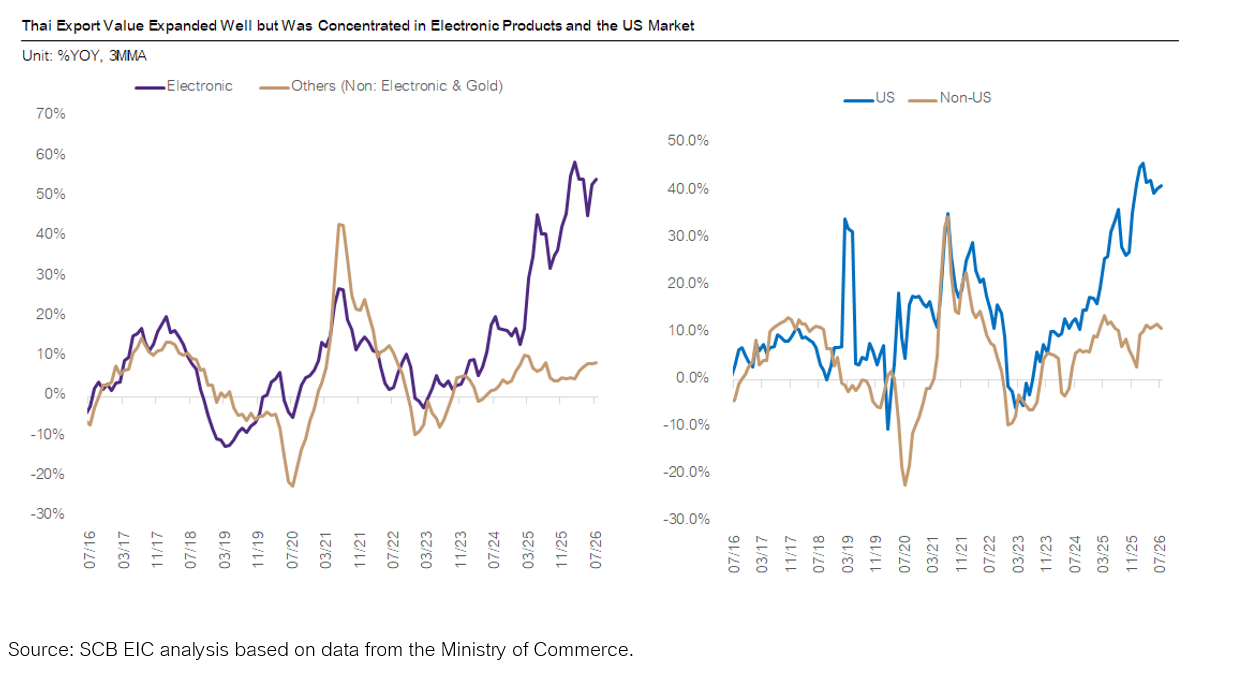
Although the outlook for Thai exports remains strong, the growth has been K-shaped and highly concentrated in certain product categories and key markets, particularly electronic products and the US market. Meanwhile, other products and markets have recorded relatively limited growth, reflecting that the expansion in Thailand’s export sector has yet to become broad-based (Figure 6).
The 2026 import value growth forecast was also revised up to 28% (from the previous forecast of 16.9%, balance of payments basis). Thailand’s import growth has significantly outpaced export growth, with imports expanding strongly by 37.8% during the first 7 months of the year. For the remainder of the year, although energy import value may decline if the Middle East conflict eases, uncertainty remains high. Meanwhile, imports of raw materials and intermediate goods, as well as capital goods, are likely to continue expanding strongly. As a result, Thailand’s trade balance in 2026 (both balance of payments and customs basis) is likely to record a larger deficit than last year.
Special Topic: The Great Transshipment Scam: Thailand Is Classified as Tier 2 for Transshipment, Raising the Risk of Tighter US Scrutiny
|
Figure 1: Thai Export Value by Product Category and Key Markets.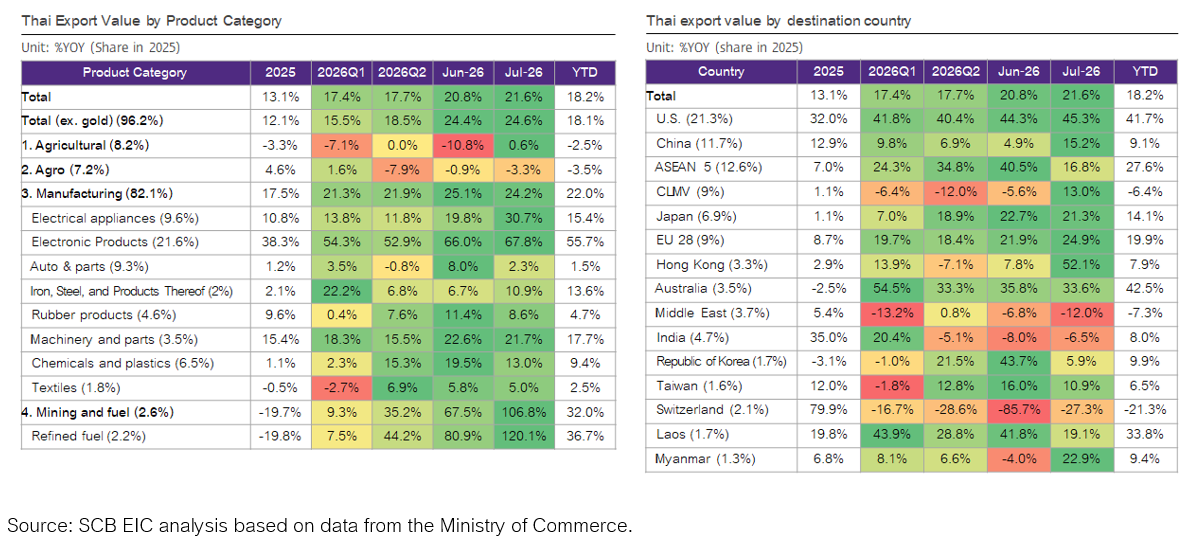
Figure 2: Electronic products remained the key export category in July 2026.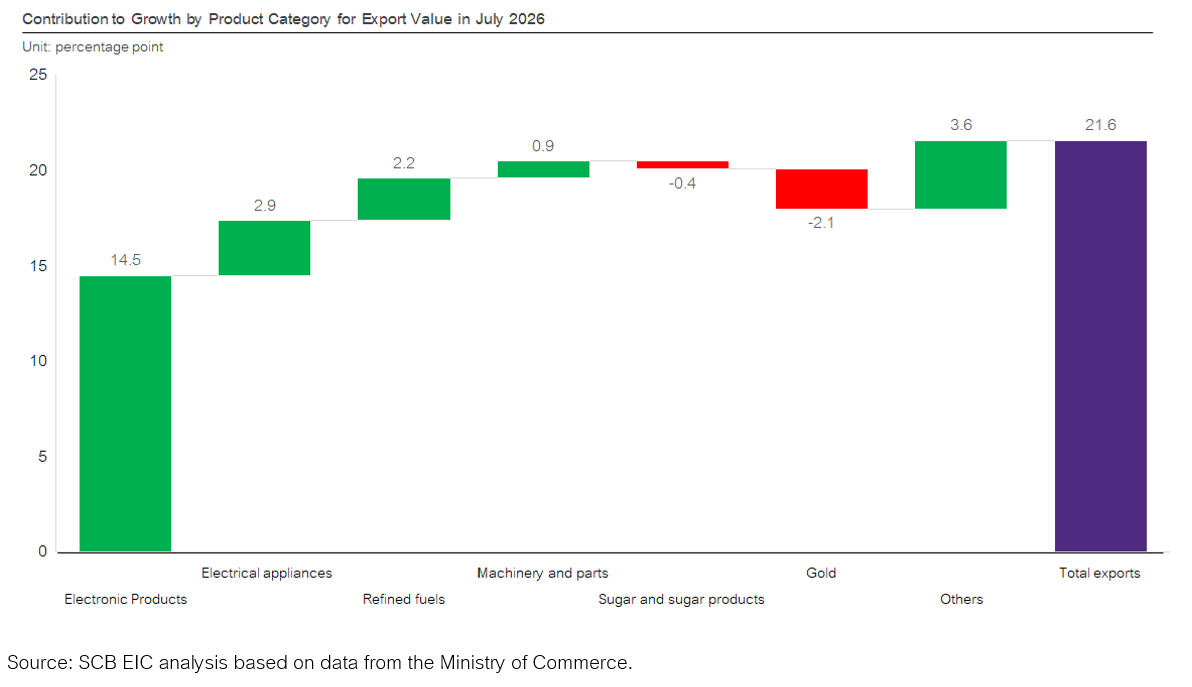
Figure 3: Thai Import Value by Product Category and Key Markets.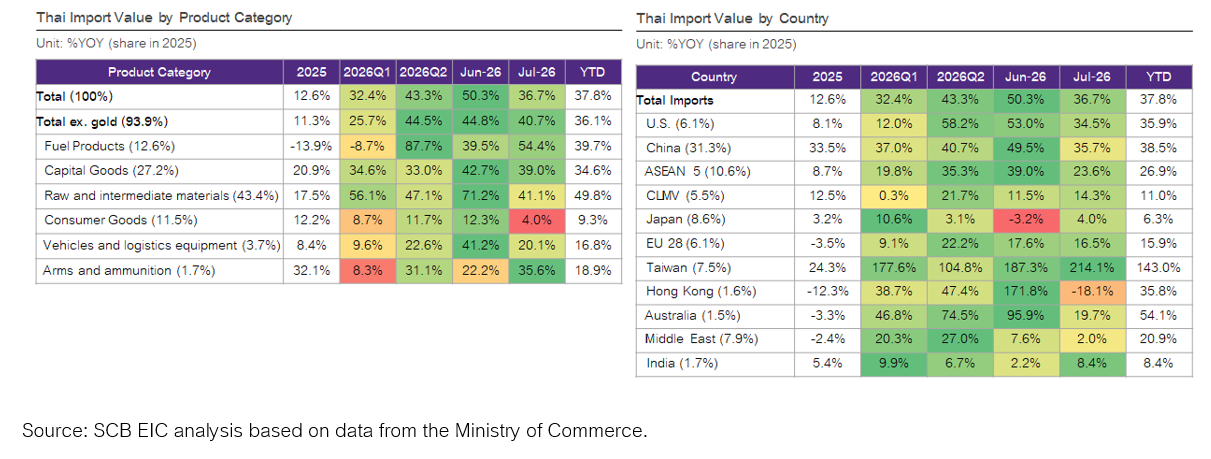
Figure 4: Raw Materials and Intermediate Goods and Capital Goods Were the Key Import Categories in July 2026.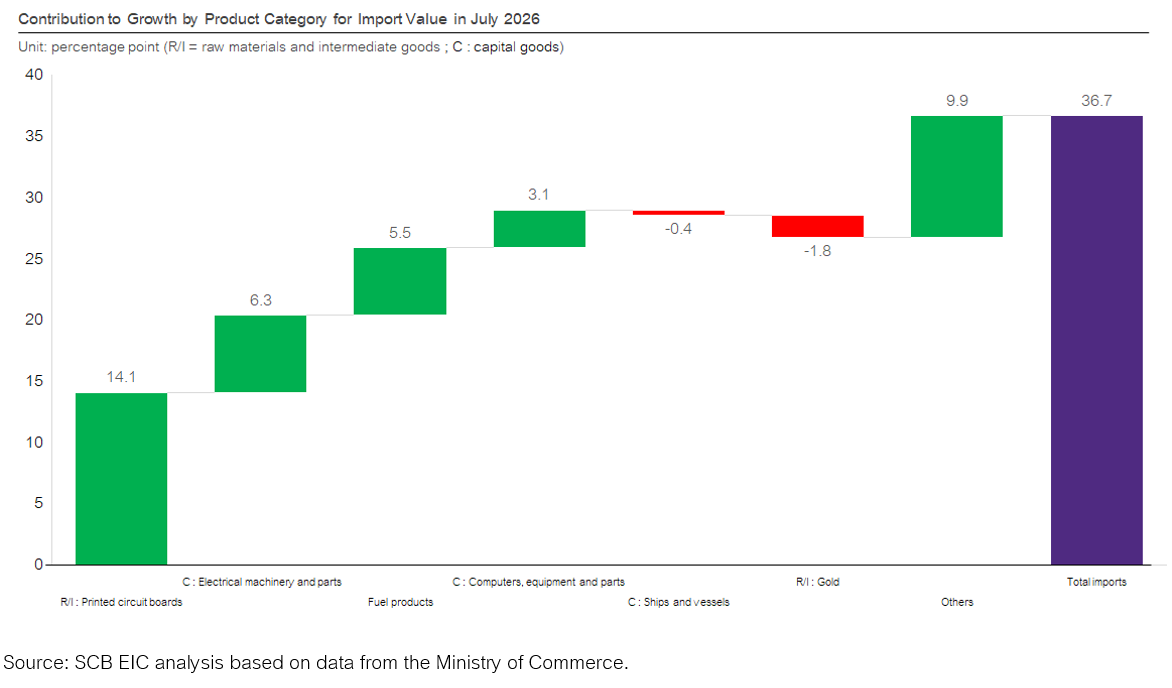
Figure 5: Export Growth During the First 7 Months of 2026 Was Concentrated in Electronic Products and the US Market, While Imports Were Concentrated in Raw Materials and Intermediate Goods and Capital Goods from China and Taiwan.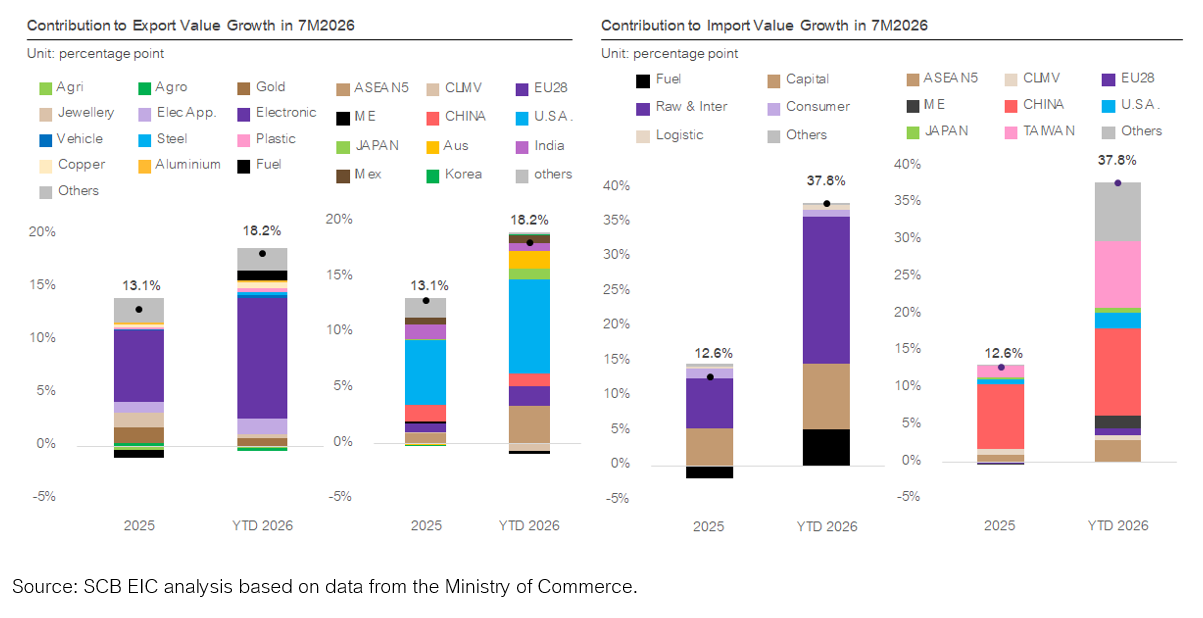
Figure 6: Thai Export Growth Was K-Shaped, Concentrated in Electronic Products and the US Market.